Your Cold-Weather Visitor’s Guide to the Mad River Valley
You don’t need to be a wildlife expert to have incredible winter animal encounters in Vermont. If you’re looking for Lodging in Vermont that feels like stepping into the wild, our Mad River Valley properties place you minutes from snow-covered trails, moose crossings at first light, and crystal streams running cold and clear through winter.
While animals move through the Mad River Valley in every season, winter transforms the experience. Snow reveals overnight tracks, and the stillness makes every sighting feel amplified. Here’s how to make the most of a winter wildlife visit.
What Winter Wildlife Can You See in the Mad River Valley?
The Mad River Valley puts you in the middle of Vermont’s best winter wildlife habitat. You’re not driving hours to reach remote wilderness. Winter wildlife viewing happens on quiet snowy mornings, outside the window or on a short drive through snow-covered backroads, or on a snowshoe trail that start right from your lodge.
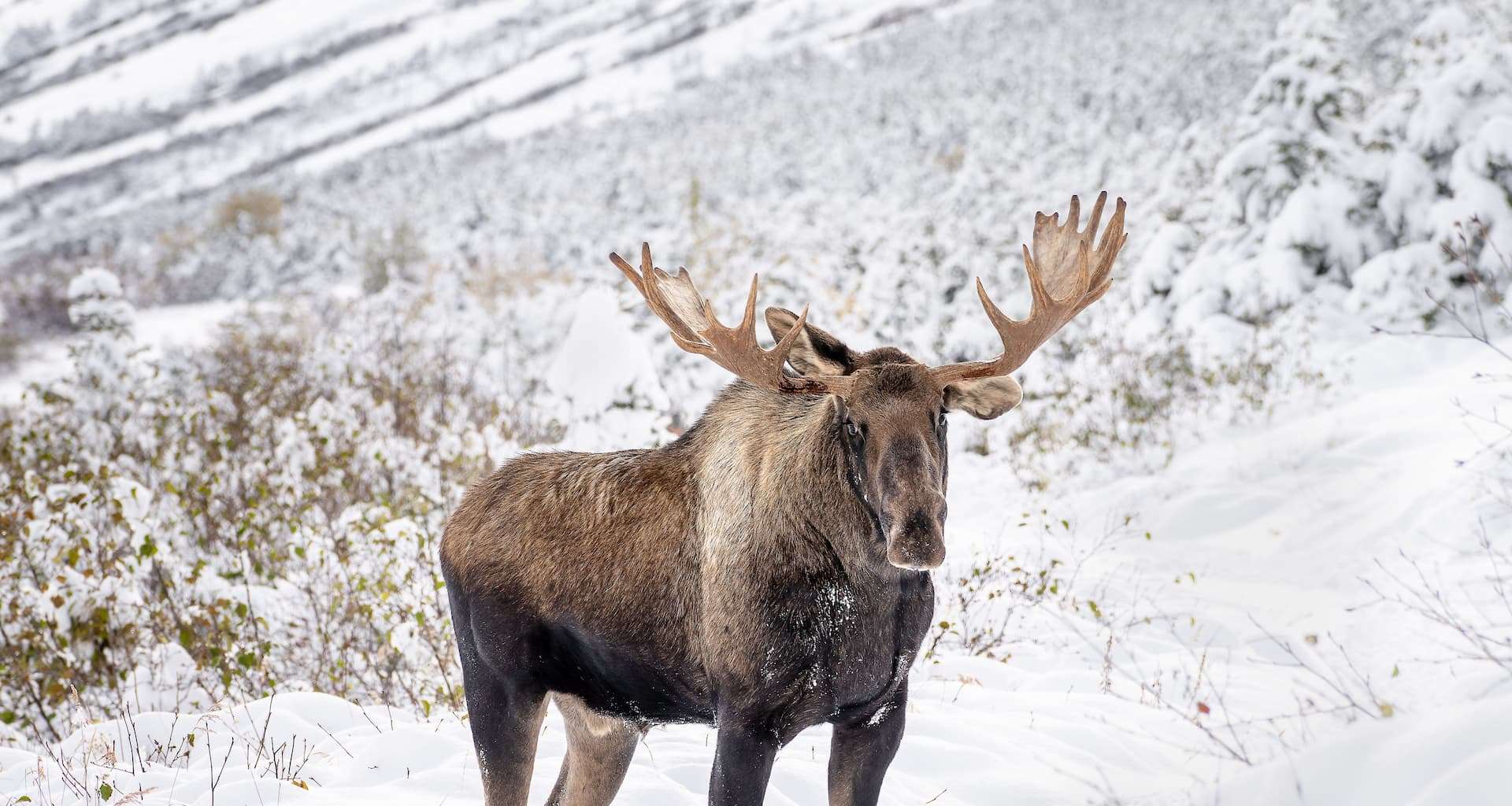
Tracking Moose Through Fresh Snow
If you’ve never tracked a moose through fresh powder, it’s an exciting experience. Try early mornings (before 8 AM) or late afternoons (after 4 PM when winter light is low) for the best chance of spotting them. We suggest driving Route 100 north toward Warren or taking the back roads toward Granville, and look for wetlands, beaver ponds, and roadside marshes for moose munching on woody vegetation.
Mad River Glen’s access roads pass through excellent moose habitat. Even your drive to morning skiing might include fresh moose tracks crossing the road or, if you’re lucky, a moose standing in a clearing. Keep binoculars in your car, drive slowly on quiet roads, and watch for fresh tracks in the snow.
Winter Birds That Brave the Cold
Winter completely transforms bird watching in Vermont. The summer birds have flown south, but new species arrive from even colder climates. Evening grosbeaks with their yellow and black plumage gather at feeders in noisy flocks. Common redpolls, tiny birds with red caps, visit from the Arctic when food is scarce up north. Occasionally, snowy owls drift down from the tundra and perch in open fields.
You don’t need expensive binoculars to enjoy winter birds, though they help. We do advise having your camera ready, as winter birds against the white snow create spectacular photos. Even sipping coffee and watching the birds from your window provides entertainment on cold afternoons between skiing and snowshoeing.
Chickadees, nuthatches, and woodpeckers stay year-round. Blue jays call from the forests. Ravens soar over snowy peaks. Bald eagles hunt along open water where rivers don’t freeze completely. The Mad River Valley really is a haven for bird watchers of all levels, from curious beginners to lifelong enthusiasts, and winter brings species you won’t see any other season.
Ice Fishing and Cold-Water Trout
Did you know Vermont’s trout keep feeding all winter? While summer anglers put away their gear, winter brings a different kind of fishing. Ice fishing on Vermont’s frozen lakes opens up access to species like lake trout, landlocked salmon, yellow perch, and northern pike.
Make sure you have a Vermont fishing license before you head out, which covers both open water and ice fishing.
The Waterbury Reservoir, about 20 miles from the valley, offers excellent ice fishing once the ice reaches a safe thickness. If it’s your first time, consider taking an ice fishing tour and let a professional teach you all the secrets and safety protocols.
If ice fishing isn’t your style, some tailwaters and spring-fed streams stay open year-round. These cold waters hold trout that rise to flies even on winter afternoons. It really is a special experience, standing in a snowy stream with steam rising from the water, working a fly for winter-active trout.
Deer Yards and Winter Survival
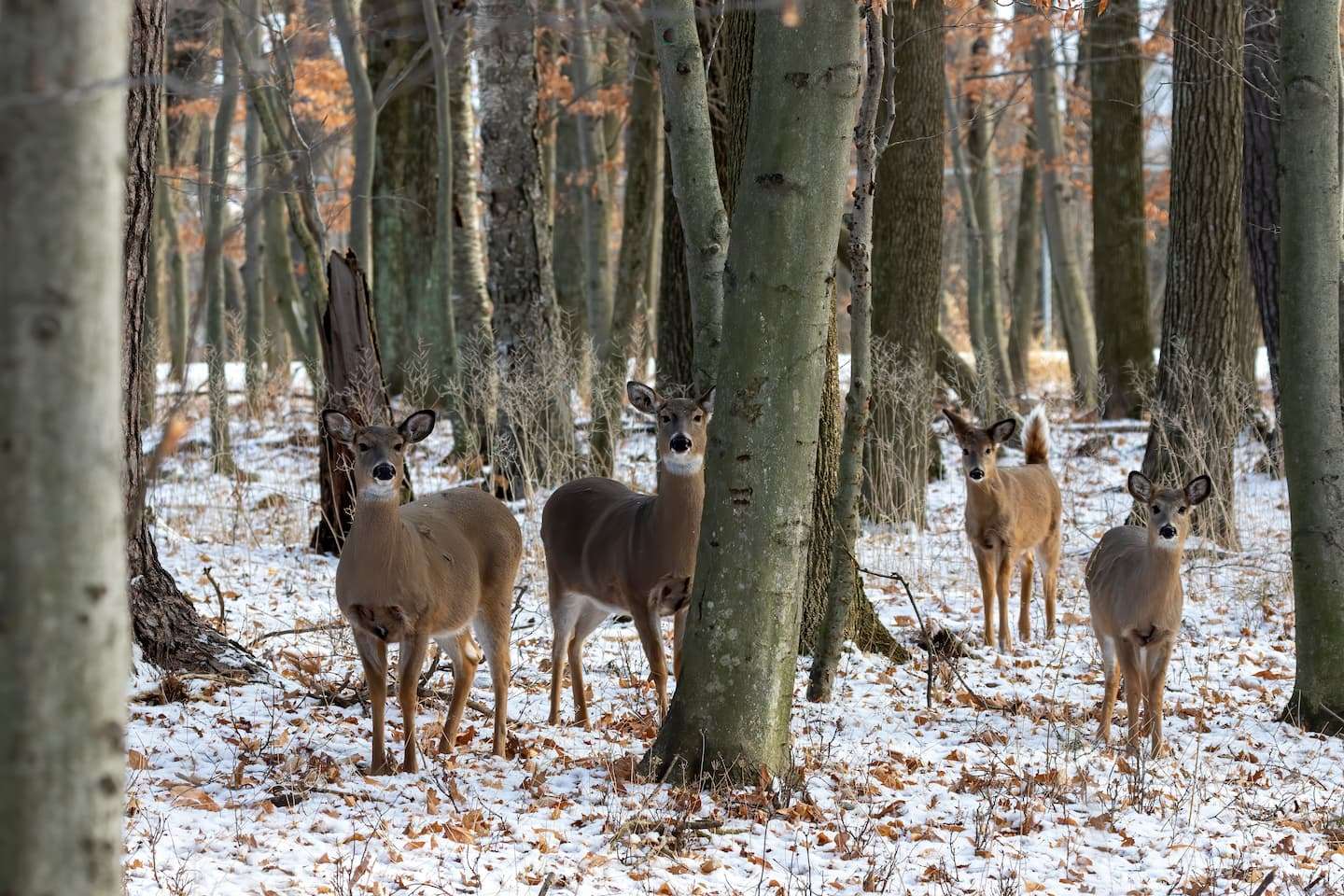
White-tailed deer change their behavior completely in winter. They gather in “deer yards”, protected areas with dense evergreen cover that provides shelter from wind and deep snow. You’ll see deer trails packed hard in the snow, leading between feeding and bedding areas.
Early morning drives often reveal deer moving between yards. They’re easier to spot in winter because leaves are gone and their brown coats contrast with the snow. Watch field edges, forest openings, and south-facing slopes where sun melts snow and exposes vegetation.
Don’t worry about disturbing them from a distance. Deer are used to road noise and will continue grazing if you stay in your car and keep quiet. That’s when you get the best photos and longest viewing opportunities.
Tracking Other Winter Wildlife
Fresh snow turns every morning into a wildlife detective game. Snowshoe hare tracks zigzag through the woods, the hares themselves now white against the snow. Fox tracks follow rodent trails across fields. Five toe tracks from fishers, the second-largest member of the weasel family tracks, show where these skilled predators hunted for porcupines and squirrels.
Otter slides mark riverbanks where these playful animals toboggan down snowy slopes into open water. Coyote tracks follow ridgelines and old logging roads. Even mouse and vole tracks tunneling under the snow tell stories of survival.
You don’t need to be an expert tracker. Just pay close attention and follow their trails on snowshoes or cross-country skis. The stories are written in the snow, waiting to be read.
Planning Your Winter Wildlife Day from Mad River Lodges
Winter wildlife follows different patterns than summer. Animals are active during the short daylight hours, especially early morning and late afternoon when temperatures are coldest, and wildlife must move to stay warm or find food.
Morning Strategy: Dawn to Mid-Morning
While some wake early, being on vacation means doing things in your time. So bundle up, brew your coffee in a travel mug, and make a plan to drive the quiet backroads for 30 minutes, looking for moose and deer near wetlands and winter yards.
After your drive, grab a warm breakfast in town and then head out for a snowshoe or cross-country ski if the timing works. Wildlife is most active in morning light – deer move between yards, winter birds are vocal at feeders, and moose browse on woody vegetation. That said, Vermont’s winter forests offer something to see no matter when you explore.
Afternoon Options: Ice Fishing and Winter Parks
Winter afternoons work well for ice fishing once you’ve checked ice conditions. Set up your tip-ups, drill your holes, and spend a few hours on the ice. Fish don’t always cooperate, but spending time on a frozen lake surrounded by snowy mountains never disappoints.
Vermont state parks stay open for winter recreation. Groton State Forest, about an hour northeast, offers winter trails for snowshoeing and cross-country skiing. Its frozen ponds and snowy trails support moose, deer, winter birds, and clear evidence of wildlife activity in every direction.
Late Afternoon Strategy: The Golden Hour
Late afternoon in winter – that golden hour before sunset – brings another burst of wildlife activity. Animals that bedded down during midday emerge to feed before darkness. Drive those same backroads looking for moose and deer. Take an evening snowshoe on local trails. Find a spot with a view and watch the landscape as wildlife moves through it.
After dark, step outside and listen. Barred owls call from the forests. Coyotes howl in distant valleys. Even the sounds of Vermont’s winter wildlife add to your stay.
Connecting with Vermont’s Winter Conservation Efforts
Humans and animals have coexisted in Vermont winters for generations, and keeping that balance means taking simple actions during your visit. Keep your distance from wildlife – at least 25 yards for most species, and 100 yards for moose and deer in winter when they conserve energy. This protects both you and the animals while letting them behave naturally in their habitat without burning precious winter calories.
Winter is especially hard on wildlife. Deep snow makes travel difficult, and food is scarce. Disturbing an animal in winter forces it to move through deep snow and burn energy it can’t easily replace. We ask that you respect natural habitats, watch from a distance, stay on trails, and let wildlife go about their business.
If you see an injured animal or have a concerning wildlife encounter, contact the Vermont Fish and Wildlife Department. They have biologists and game wardens who respond to wildlife issues even in winter.
Consider buying a fishing license even if you only ice fish once or twice. License fees fund conservation work for all wildlife, not just fish – it’s how Vermonters support the landscapes they love, and winter visitors can be part of that too.
You can also contribute through the Vermont Atlas of Life project, which collects wildlife sightings from both residents and visitors year-round. Reporting what you see helps biologists track winter populations and understand how animals adapt to Vermont’s coldest months. It’s a simple way to give back to the place you’re exploring and connect with Vermont’s conservation community.
Local organizations like Vermont Audubon and The Nature Conservancy welcome volunteers for winter wildlife projects. Even winter tourists can participate in bird counts and winter tracking surveys during their visit.
Making Mad River Lodges Your Winter Wildlife Base Camp
The Mad River Valley Lodges locations offer the perfect winter balance: warm, comfortable lodging with immediate access to snowy wild spaces. You’re not staying in a remote cabin with no heat or amenities. You’re also not stuck in a developed resort miles from actual winter wildlife habitat.
All four Mad River Lodges properties, Mad River Lodge, Warren Lodge, White Horse Lodge, and Tucker Hill Lodge, put you in the heart of the valley with modern amenities, private bathrooms, and contactless check-in. After early morning moose tracking and long snowshoe hikes through winter forests, you’ll appreciate returning to a warm room where you can thaw out, rest, and plan tomorrow’s cold-weather adventures.
Start Planning Your Vermont Winter Wildlife Adventure
Vermont winter fish and wildlife create opportunities for memorable cold-weather experiences. Whether you’re hoping to track a moose through fresh powder, ice fish for the first time, or simply enjoy winter mornings with chickadees at the feeder, the Mad River Valley puts you in a position to succeed. The moose are grazing in snow-covered wetlands, the trout are feeding under the ice, and the winter trails are waiting. All you need to do is book your stay, pack warm clothes, and show up.